The Health Hazards of Improper Mold Cleanup in Weddington
Improper mold cleanup doesn’t just fail to solve the problem—it can make it worse. In Weddington’s humid climate, disturbed mold colonies release spores and mycotoxins into the air, putting your family’s health at serious risk. We’ve seen firsthand how DIY attempts often spread contamination further, turning a small issue into a homewide hazard.
Why DIY Mold Cleanup Backfires in Humid Climates
Weddington’s warm, humid summers and damp springs create ideal conditions for mold growth. Without proper containment, scrubbing or bleaching mold disturbs spores, sending them airborne into living spaces.
Household cleaners like bleach only remove surface mold on non-porous materials. On drywall, wood, or insulation, spores penetrate deep, regrowing within days. This is why surface-level fixes fail in areas like Waxhaw or Marvin, where moisture lingers.
Bleach’s high water content can feed mold on porous surfaces, and its fumes may mix with mold VOCs, creating toxic gas. Always avoid bleach for mold remediation.
Health Risks of Agitating Mold Without Containment
Disturbing mold without containment releases spores and mycotoxins. Inhalation can trigger allergic reactions, asthma attacks, or chronic sinusitis—common in sensitive individuals across Matthews and Wesley Chapel.
Long-term exposure to certain molds, like Stachybotrys (black mold), may lead to neurological symptoms, immune suppression, or respiratory disease. Children, the elderly, and immunocompromised individuals are at highest risk.
How Mold Spreads Through HVAC Systems
Improper cleanup often overlooks HVAC systems. Mold spores travel through ductwork, contaminating the entire home. In Weddington’s older homes, poorly sealed ducts exacerbate the problem.
Without professional HEPA filtration and duct cleaning, spores recirculate indefinitely. This is why mold remediation must include HVAC inspection, especially in neighborhoods with high humidity.
Use 6-mil plastic sheeting and negative air pressure to contain mold during removal. This prevents cross-contamination to clean areas of the home.
Porous Materials: When Removal Is the Only Option
Drywall, insulation, carpet, and ceiling tiles are porous. Once mold infiltrates these materials, cleaning won’t eliminate the roots. Full removal and replacement are necessary to prevent regrowth.
In crawl spaces—a common issue in Weddington and Marvin—mold thrives on wood joists and subflooring. Encapsulation with a vapor barrier and dehumidification are critical to long-term control.
| Material | Cleanable? | Recommended Action |
|---|---|---|
| Non-porous (glass, metal, tile) | Yes | HEPA vacuuming + antimicrobial cleaning |
| Semi-porous (concrete, wood) | Sometimes | Sand/abrasive cleaning + sealing |
| Porous (drywall, carpet, insulation) | No | Full removal and replacement |
| HVAC components | No | Professional duct cleaning or replacement |
The Hidden Costs of Cutting Corners
Skipping steps like moisture source identification or post-remediation testing leads to recurrence. In Weddington, we often see homeowners spend more on repeated DIY attempts than on professional remediation upfront.
Factors driving cost include the extent of contamination, material removal, and labor for containment. Crawl space or attic remediation may require additional structural work. Always request a quote for accurate pricing.
Professional Tools and Techniques That Protect Your Health
Our team uses air scrubbers with HEPA filters to capture spores mid-air during removal. Negative air machines create pressure differentials, ensuring contaminants don’t escape the work zone.
Personal protective equipment (PPE), including full-face respirators and disposable suits, prevents technician exposure. These precautions also protect your family during and after the process.
When to Call a Professional in Weddington
If mold covers more than 10 square feet, or if it’s in your HVAC, crawl space, or attic, professional remediation is non-negotiable. These areas require specialized equipment and expertise.
Musty odors without visible mold often indicate hidden growth behind walls or under flooring. Thermal imaging and moisture meters help us locate these invisible threats in Weddington homes.
Signs You Need Professional Mold Remediation
- Mold covers an area larger than 10 sq. ft.
- Visible mold in HVAC, crawl space, or attic
- Persistent musty odors without a clear source
- Water damage (past or present) in the home
- Health symptoms (respiratory, allergic) that improve when away from home
How to Safely Contain Mold Before Professional Help Arrives
If you discover mold, take these steps to minimize spread while waiting for our team.
- 1Isolate the Area
Close doors and windows to the affected space. Cover doorways with plastic sheeting and tape to create a temporary barrier.
- 2Turn Off HVAC
Prevent spores from spreading through vents. Shut down your heating and cooling system immediately.
- 3Avoid Disturbing the Mold
Do not scrub, vacuum, or blow air on the mold. Even light touching can release spores into the air.
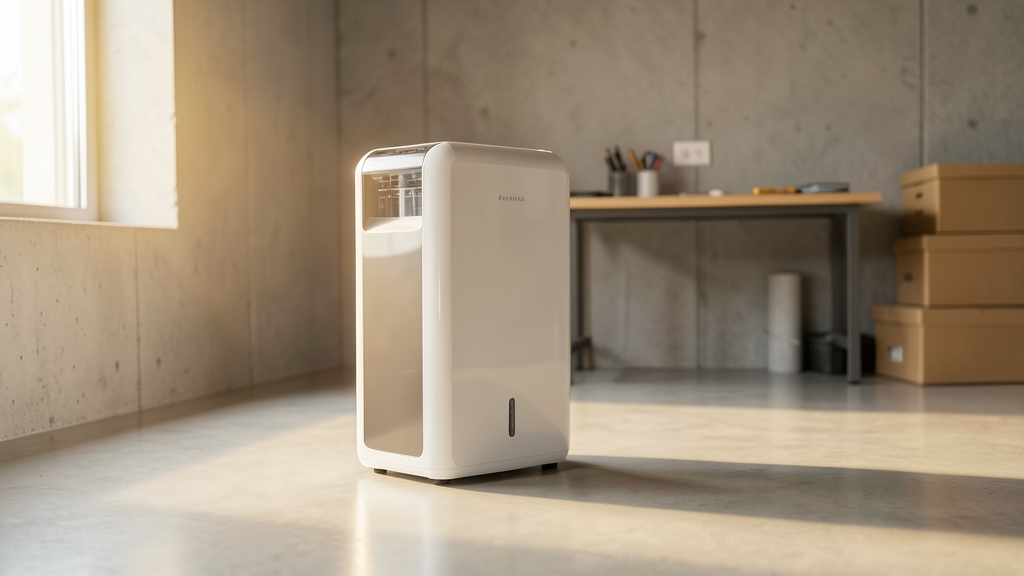
- 4Use a Dehumidifier
If safe to do so, run a dehumidifier in the area to reduce moisture levels below 50%.
- 5Wear Basic Protection
If you must enter the space, wear an N95 respirator, gloves, and goggles to limit exposure.
Frequently Asked Questions
Can I stay in my Weddington home during mold remediation?
For small, contained projects, you may stay if the work area is sealed off. For large-scale remediation—especially in crawl spaces or attics—we recommend temporary relocation, particularly for sensitive individuals. Safety is our priority.
How do I know if mold is toxic?
The term 'toxic mold' is misleading—all mold can pose health risks. Stachybotrys (black mold) and others produce mycotoxins, but even common molds like Aspergillus can trigger reactions. Professional testing identifies the species and spore count.
Why is mold more common in Weddington than in drier areas?
Weddington’s humid subtropical climate, frequent rain, and clay soil (which retains moisture) create perfect conditions for mold. Poor drainage, flooding, or high water tables in neighborhoods near Waxhaw or Marvin exacerbate the issue.
Does homeowners insurance cover mold remediation?
Coverage varies. Most policies exclude mold unless it’s a direct result of a covered peril, like a burst pipe. Document the cause and consult your insurer. We provide detailed reports to support claims.
How can I prevent mold from returning after remediation?
Fix the moisture source—whether it’s a leak, poor ventilation, or high humidity. Use dehumidifiers in crawl spaces, ensure proper grading around your home’s foundation, and schedule regular inspections, especially in basements and attics.
What’s the difference between mold testing and inspection?
A mold inspection visually assesses for signs of mold and moisture. Testing involves air or surface samples analyzed in a lab to identify spore types and concentrations. Both are critical for a thorough assessment in Weddington homes.