The Hidden Dangers of Ignoring Mildew in Weddington Bathrooms
That dark staining in your shower grout isn’t just unsightly—it’s often the first sign of a moisture problem that can spiral into full-blown mold infestation. In our humid North Carolina climate, what starts as surface mildew can quickly penetrate walls, subflooring, and even your HVAC system if left unchecked.
Mildew vs. Mold: What Weddington Homeowners Need to Know
Mildew is a surface fungus, typically white or gray, that thrives in damp, warm environments like bathrooms. It’s easier to clean but signals excess moisture that can foster mold growth.
Mold, on the other hand, penetrates porous materials—drywall, wood, grout—and can release mycotoxins harmful to health. In our area’s humid summers, the transition from mildew to mold can happen in weeks.
| Characteristic | Mildew | Mold |
|---|---|---|
| Appearance | Flat, powdery, white/gray | Fuzzy, slimy, black/green/red |
| Depth | Surface-level | Penetrates materials |
| Health Risk | Minimal (allergies) | Moderate to severe (respiratory issues, mycotoxins) |
| Removal | Scrubbing with bleach or vinegar | Professional remediation often required |
| Speed of Spread | Slow in dry conditions | Rapid in high humidity |
Why Bathrooms in Weddington Are Mold Magnets
Poor ventilation traps steam from showers, creating a perfect breeding ground. Many older homes in Weddington, Marvin, and Wesley Chapel lack exhaust fans or have outdated systems that don’t meet current airflow standards.
Leaky pipes under sinks or behind walls introduce hidden moisture. In slab foundations common here, water can wick up into drywall unnoticed until mold appears on the surface.
Porous materials like grout, caulk, and drywall absorb moisture quickly. Without proper sealing or waterproofing, these become reservoirs for spores.
Even a slow drip behind a vanity can saturate subflooring and joists. By the time you see stains, structural damage and mold may already be extensive. Always investigate musty odors immediately.
The Health Risks of Letting Mildew Fester
Inhaling mold spores can trigger allergies, asthma attacks, and chronic sinusitis. Children, the elderly, and those with compromised immune systems are especially vulnerable in enclosed spaces like bathrooms.
Prolonged exposure to certain molds, like Stachybotrys (black mold), may cause neurological symptoms or respiratory distress. This is why air quality testing is critical after any suspected outbreak.
Mildew itself may not be toxic, but it’s a red flag. Its presence means conditions are ripe for more dangerous mold species to take hold.
How Mildew Spreads Beyond Your Bathroom
Spores travel through HVAC systems, infecting other rooms. In Weddington’s tightly sealed homes, this can lead to widespread contamination in attics, crawl spaces, or basements before homeowners realize the source.
Water damage from bathroom leaks often migrates downward. We’ve seen cases in Matthews and Waxhaw where a second-floor bathroom leak caused mold in the ceiling below and even in the crawl space.
Shared plumbing walls mean one bathroom’s issue can affect adjacent rooms. Mold behind a shared wall can go undetected until it’s a major remediation project.
Mold doesn’t stay put. If you’re seeing it in one bathroom, assume spores are circulating. A professional mold inspection can map the full extent of the problem.
DIY Cleaning vs. Professional Remediation
Surface mildew on non-porous tiles or glass can often be handled with a bleach solution or vinegar. But if it returns quickly, you’re likely dealing with a deeper moisture issue.
For porous materials or areas larger than 10 square feet, DIY approaches risk spreading spores. Professional remediation includes containment, HEPA filtration, and moisture control to prevent recurrence.
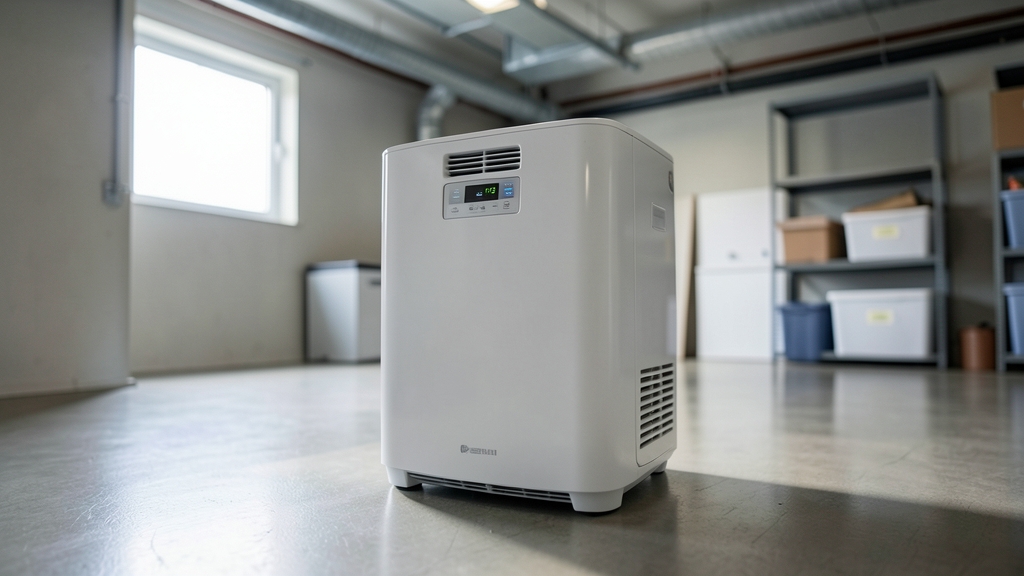
In Weddington’s older homes, underlying issues like poor grading or missing vapor barriers often require systemic solutions—like crawl space encapsulation or dehumidifier installation—to keep mold from returning.
Signs It’s Time to Call a Mold Remediation Expert
Visible mold growth on walls, ceilings, or under sinks is an obvious red flag. But don’t wait for it to appear—musty odors or unexplained allergy flare-ups are earlier warnings.
Peeling paint or warped drywall indicates prolonged moisture exposure. In bathrooms, this often starts near the shower or tub where water intrudes behind tile.
If you’ve cleaned mildew repeatedly and it keeps coming back, the problem is likely structural. Our team uses thermal imaging and moisture meters to find hidden leaks or condensation issues.
When to Skip DIY and Call the Pros
- Mold covers more than 10 square feet
- You suspect hidden mold behind walls or under flooring
- Household members experience unexplained health symptoms
- There’s been water damage from a leak or flood
- Mildew returns within weeks of cleaning
The Remediation Process: What to Expect
We start with a thorough mold inspection and air quality testing to identify the species and extent of contamination. This step is critical for developing a targeted remediation plan.
Containment barriers and negative air pressure prevent spores from spreading during removal. All affected materials—drywall, insulation, subflooring—are safely discarded and replaced.
After remediation, we address the root cause: improving ventilation, repairing leaks, or installing moisture controls. Without this, mold will return—often within months in our humid climate.
How to Prevent Mildew and Mold in Your Bathroom
Consistent moisture control helps prevent bathroom mold and mildew.
- 1Improve Ventilation
Run the exhaust fan for at least 20 minutes after showers. If your bathroom lacks a fan, consider installing one or using a dehumidifier. Open windows when weather permits.
- 2Fix Leaks Promptly
Inspect under sinks, around toilets, and along shower edges for leaks. Even small drips can lead to big problems over time.
- 3Use Mold-Resistant Products
Replace standard drywall with moisture-resistant green board in wet areas. Use mold-resistant caulk and grout, and reseal grout lines annually.
- 4Control Humidity
Keep bathroom humidity below 50%. A hygrometer can help monitor levels. In Weddington’s humid summers, a whole-home dehumidifier may be necessary.
- 5Clean and Dry Regularly
Wipe down shower walls and curtains after use. Weekly cleaning with a vinegar solution or mold-inhibiting product prevents buildup.
- 6Inspect Hidden Areas
Check under vanities, behind toilets, and in ceiling corners for early signs of moisture or mold. Don’t overlook the attic above the bathroom for leaks.
Frequently Asked Questions
Can I just paint over mildew in my Weddington bathroom?
No. Painting over mildew or mold only hides the problem temporarily. The fungus will continue to grow underneath, eventually causing the paint to peel or bubble. Always clean and dry the area thoroughly—or call a pro if the issue is widespread.
How do I know if my bathroom mold is toxic?
Without testing, it’s impossible to identify mold species by sight alone. Black mold (Stachybotrys) is often dark and slimy, but many harmless molds are black too. Air quality testing and surface sampling are the only reliable ways to confirm toxic species.
Why does mildew keep coming back after I clean it?
Recurring mildew means there’s an underlying moisture issue. Common culprits include poor ventilation, hidden leaks, or high humidity. In Weddington’s climate, even condensation on cold surfaces can sustain growth. A professional can pinpoint the source.
Is mold in my bathroom covered by homeowners insurance?
It depends on the cause. Most policies cover mold remediation if it results from a sudden, accidental event like a burst pipe. However, mold due to long-term neglect or poor maintenance is typically excluded. Always check your policy and document the damage.
Can bathroom mold affect other parts of my home?
Absolutely. Mold spores travel through air currents and HVAC systems. We’ve seen bathroom mold spread to attics, crawl spaces, and even basements in Waxhaw and Marvin homes. Containment and proper remediation are key to preventing this.
What’s the difference between mold testing and mold inspection?
A mold inspection is a visual and technical assessment (using tools like moisture meters and thermal imaging) to locate mold and its source. Mold testing involves collecting air or surface samples to identify species and spore counts. Both are often needed for a complete diagnosis.