How Weddington’s Humid Climate Fuels Hidden Mold Growth in Your Home
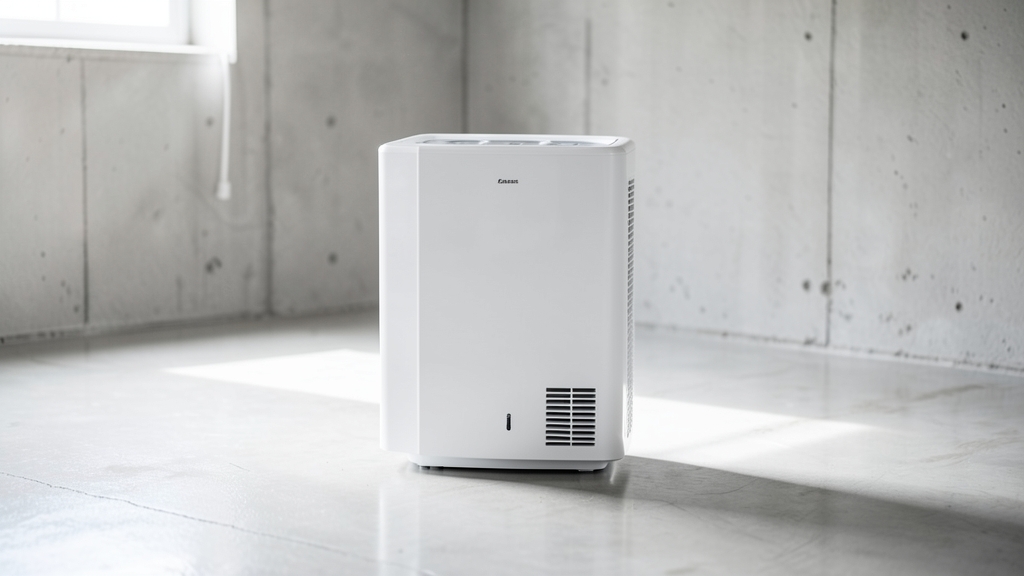
Weddington’s warm, humid climate isn’t just uncomfortable—it’s a breeding ground for mold. Without proactive moisture control, spores thrive in hidden spaces like crawl spaces, attics, and behind walls, often undetected until damage spreads. We’ve seen firsthand how local seasons accelerate growth, and how targeted remediation stops it for good.
Why Weddington’s Climate Is a Mold Magnet
Our region’s high humidity—often exceeding 70% in summer—creates the perfect environment for mold spores to colonize. Warm, moist air condenses on cooler surfaces, feeding spores the water they need to grow.
Spring and fall bring frequent rain, while poor drainage or grading issues in neighborhoods like Wesley Chapel can trap moisture against foundations. Even well-built homes in Marvin or Waxhaw aren’t immune if ventilation is inadequate.
The Most Vulnerable Areas in Local Homes
Crawl spaces are ground zero. Many Weddington homes lack proper vapor barriers or ventilation, turning these areas into petri dishes. Basements, especially in older Matthews properties, often suffer from seepage or poor sealing.
Attics trap heat and moisture from daily living—cooking, showering, even breathing. Without proper airflow, condensation soaks into insulation and wood, inviting mold. HVAC systems can also spread spores if ducts are contaminated.
| Area | Primary Risk Factors | Typical Mold Types |
|---|---|---|
| Crawl Spaces | High humidity, poor ventilation, soil moisture | Aspergillus, Cladosporium |
| Attics | Condensation, roof leaks, poor insulation | Alternaria, Penicillium |
| Basements | Water intrusion, poor drainage, concrete porosity | Stachybotrys (black mold), Chaetomium |
| Bathrooms | Lack of exhaust fans, frequent moisture | Mucor, Ulocladium |
| HVAC Systems | Dirty filters, duct condensation, poor maintenance | Acremonium, Fusarium |
Signs You Might Have a Hidden Mold Problem
Musty odors are the most obvious red flag. If a room smells earthy or stale, especially after rain, mold is likely present. Visible growth—black, green, or white spots—on walls, ceilings, or baseboards confirms it.
Less obvious signs include peeling paint, warped drywall, or persistent allergies. In Weddington, homeowners often mistake mold symptoms for seasonal allergies, delaying critical action.
Mold can thrive behind walls or under flooring for years. By the time you see it, structural damage may already be severe. Professional inspection with moisture meters and air quality testing is the only sure way to detect hidden growth.
How Seasonal Shifts Accelerate Mold Growth
Summer’s heat and humidity supercharge spore activity. Without dehumidifiers or proper airflow, mold can colonize within 24–48 hours of water exposure. Even minor leaks from AC units or plumbing go unnoticed until it’s too late.
Winter brings its own risks. Poorly insulated homes in Wesley Chapel or Marvin can develop condensation on windows and walls, while closed-up spaces trap moisture. Ice dams on roofs can also lead to attic leaks, feeding mold behind insulation.
The Dangers of DIY Mold Removal
Bleach and scrubbing might remove surface mold, but they don’t address the root cause: moisture. Worse, disturbing mold without containment can release spores into the air, spreading contamination to clean areas.
Improper removal—especially of toxic black mold (Stachybotrys)—can expose your family to mycotoxins, triggering respiratory issues, headaches, or skin irritation. In Weddington, we’ve seen DIY efforts backfire, turning a small problem into a homewide infestation.
If mold covers more than 10 square feet, is in your HVAC system, or returns after cleaning, stop and call a remediation team. We use HEPA filtration, negative air pressure, and EPA-approved protocols to ensure safe, thorough removal.
What Effective Mold Remediation Looks Like
True remediation starts with a thorough inspection and moisture mapping. We use thermal imaging and moisture meters to locate hidden water sources, even in hard-to-reach areas like crawl spaces or behind drywall.
Next, we contain the affected area with physical barriers and negative air pressure to prevent spore spread. All contaminated materials—drywall, insulation, carpeting—are safely removed and disposed of per NC regulations.
The final step is addressing the root cause: fixing leaks, improving ventilation, or installing vapor barriers. Without this, mold will return. In Weddington, we often recommend dehumidifiers for crawl spaces and attic fans to maintain healthy humidity levels.
Preventing Mold in Weddington’s Climate
Control humidity with dehumidifiers, especially in basements and crawl spaces. Aim for 30–50% relative humidity indoors. Ensure bathrooms and kitchens have exhaust fans vented outside, not into attics.
Regularly inspect roofs, gutters, and downspouts for clogs or damage. Poor drainage can direct water toward your foundation, creating ideal conditions for mold. In neighborhoods with dense tree cover, like parts of Marvin, gutter maintenance is critical.
Mold Prevention Checklist for Homeowners
- Use dehumidifiers in high-moisture areas (crawl spaces, basements)
- Install and maintain exhaust fans in bathrooms and kitchens
- Inspect roofs, gutters, and downspouts seasonally
- Seal gaps around windows, doors, and foundation
- Ensure proper grading slopes away from your home’s foundation
- Schedule annual HVAC duct cleaning and maintenance
- Store items in plastic bins, not cardboard, in attics and basements
Commercial Mold Remediation: A Different Challenge
Businesses in Weddington and surrounding areas face unique risks. Large HVAC systems can spread spores rapidly, while high foot traffic introduces moisture and organic debris. Offices, schools, and retail spaces often have hidden mold in drop ceilings or behind walls.
Commercial remediation requires faster response times to minimize downtime. We use industrial-grade equipment and follow OSHA guidelines to ensure safety for employees and customers. Air quality testing post-remediation confirms the space is safe for reoccupancy.
How to Respond to a Suspected Mold Problem
If you suspect mold in your home, act quickly to prevent further damage and health risks.
- 1Isolate the Area
Close off the affected space to limit spore spread. Avoid using HVAC systems if mold is near vents or ducts, as this can circulate spores throughout the home.
- 2Turn Off Water Sources
If the mold is due to a leak or water intrusion, shut off the water supply to prevent further damage. This includes plumbing, appliances, or even outdoor sprinklers affecting the foundation.
- 3Document the Damage
Take photos or videos of the mold and any water damage. This documentation is critical for insurance claims and helps our team assess the scope of remediation needed.
- 4Avoid Disturbing the Mold
Do not attempt to clean or remove mold yourself. Disturbing it can release spores into the air, worsening contamination. Instead, contact a professional for inspection and testing.
- 5Request a Professional Inspection
Schedule a mold inspection and air quality test. Experts use specialized tools to detect hidden mold and moisture, providing a clear plan for safe, effective remediation.
Frequently Asked Questions
How quickly can mold grow in a Weddington home after water damage?
Mold can begin colonizing within 24–48 hours of water exposure, especially in our humid climate, and delays can worsen the growth and remediation efforts.
Is black mold more dangerous than other types found in local homes?
Stachybotrys (black mold) produces mycotoxins that can cause health issues, but all mold should be treated seriously. Even common molds like Aspergillus or Cladosporium can trigger allergies or respiratory problems, especially in vulnerable individuals.
Can mold return after professional remediation?
Yes, if the root moisture issue isn’t addressed. Remediation removes existing mold, but without fixing leaks, poor ventilation, or high humidity, it will return. That’s why we always include moisture control in our solutions for Weddington homes.
Do I need to leave my home during mold remediation?
It depends on the severity. For small, contained areas, you may not need to relocate. However, for large infestations—especially in living spaces or HVAC systems—we recommend temporary relocation to avoid exposure to airborne spores during removal.
Are there specific building codes in North Carolina for mold remediation?
While NC doesn’t have state-specific mold remediation codes, professionals follow EPA and IICRC (Institute of Inspection, Cleaning and Restoration Certification) guidelines. These standards ensure safe, thorough removal and prevention, which we adhere to strictly.
How does mold in crawl spaces affect the rest of my Weddington home?
Crawl space mold releases spores that can rise through floor gaps, vents, or HVAC systems, contaminating living areas. It also weakens structural supports and can attract pests. Proper encapsulation and moisture control are essential to protect your home’s integrity and air quality.